
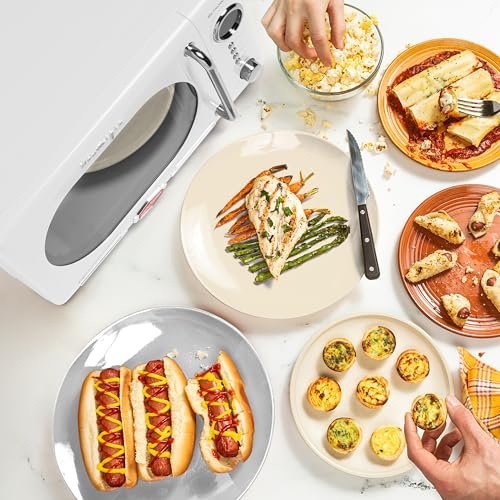

When setting up or upgrading a professional kitchen, choosing the right commercial microwave is more than just picking a brand name. These appliances play a critical role in boosting productivity, consistency, and food quality - especially in fast-paced environments like restaurants, cafes, and catering services. A well-chosen microwave saves time during busy service hours, stands up to daily use, and makes routine tasks like reheating, defrosting, or quick cooking easier and more efficient.
1. Consider Capacity and Size
Capacity and dimensions are among the first things to check before buying.
- Internal Capacity: Commercial microwave capacities are typically measured in cubic feet or litres. Larger volumes let you heat bigger plates, trays, or multiple items at once — essential in high-volume kitchens. Small units (around 0.6–0.8 cu ft) can work for break rooms or light use, while larger models (1.2 cu ft and up) suit busy foodservice environments
- Footprint & Placement: Measure your available counter or shelf space carefully. Remember to allow enough clearance for door opening and ventilation. A microwave that fits awkwardly into your kitchen layout can slow down workflow or create hazards.
- Usage Level: Assess how often the microwave will be used — light use (e.g., occasional reheating) might justify a smaller model, while medium to heavy use (continuous service demands) needs higher capacity and more robust construction.
2. Controls & Ease of Use
Dial vs. Digital Controls:
- Dial Controls – Simple and rugged, these are easy for staff to use with minimal training. They’re ideal for basic reheating tasks.
- Digital / Push-Button Controls – These offer precise timing and power adjustments, and many models support programmable presets for frequently used functions.
Preset Programs & Power Levels:Microwaves that allow programming of multiple menus or cooking sequences can speed up operations and improve consistency — especially when different food items require specific power settings.
Display & Feedback: Clear digital displays help staff monitor remaining cook time and make quick adjustments, reducing mistakes and boosting productivity. Even a simple countdown timer can make work smoother.
3. Cleaning & Maintenance
Keeping your microwave clean isn’t just about appearance — it directly affects food quality, hygiene, and appliance lifespan.
4. Safety & Build Quality
In a professional kitchen, safety and durability are non-negotiable. Commercial microwaves are specifically engineered to meet the demands of frequent use in high-traffic settings-and they often carry certifications or standards that ensure they’re fit for foodservice applications.
Build Materials: Look for units with stainless steel interiors and exteriors. This material is tough enough to resist dents, corrosion, and daily wear from heavy use. Stainless steel is also easier to sanitize — a major consideration in regulated food environments.
Safety Features: Good commercial microwaves include reliable door interlocks, automatic shut-off systems, and ventilation to prevent overheating. These features help protect staff and reduce the risk of accidents or fire hazards. Always check that the model complies with relevant safety and sanitation standards before purchasing.
Conclusion
Selecting the perfect commercial microwave involves balancing safety, durability, ease of use, and size against the daily demands of your professional kitchen. By prioritizing robust build quality, intuitive controls, and appropriate capacity, you ensure that your microwave not only performs reliably but also improves efficiency during peak service times.Take time to evaluate how each feature aligns with your kitchen’s workflow - whether you’re running a bustling restaurant, a busy café, or a food prep station. The right microwave becomes a trusted workhorse, saving time and delivering consistent results shift after shift.
Comments (0)