
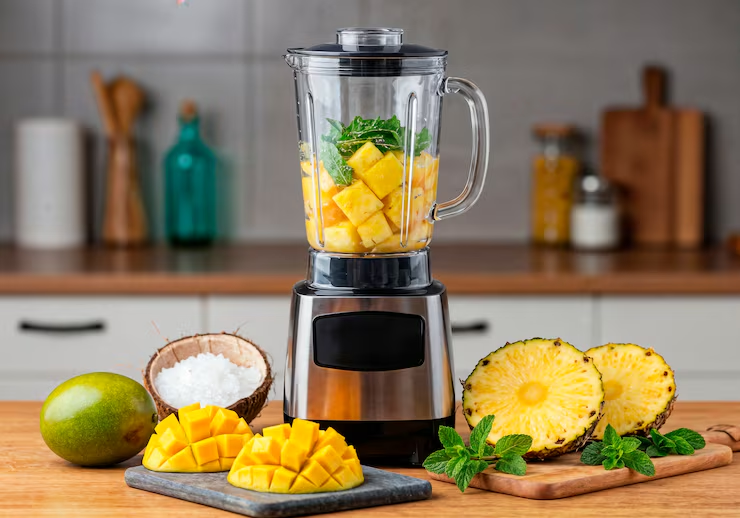

A good blender is one of the most versatile tools you can have in your kitchen. From smoothies and shakes to soups, sauces, and even nut butter, the right blender can make everyday cooking faster and more enjoyable.
With so many models available-personal blenders, countertop units, and high-performance machines-it can be difficult to know which one suits your needs. This guide simplifies the process by explaining the key features that matter most, helping you choose a blender that fits your lifestyle and budget.
1. Power and Performance
The motor power of a blender directly affects how well it performs. If you mainly make smoothies or soft blends, a lower-powered blender will work just fine. However, for tougher ingredients like ice, frozen fruits, or nuts, a more powerful motor is essential.
High-performance blenders not only blend faster but also create smoother textures, making them ideal for daily use.
2. Jar Capacity and Material
Blender jars come in different sizes and materials, and your choice depends on your usage.
Plastic jars are lightweight and durable, while glass jars are heavier but more resistant to stains and odors.
3. Speed Settings and Controls
Modern blenders come with multiple speed settings and pre-programmed functions. These features make blending easier and more precise.
If you prefer simplicity, a blender with basic controls will do the job. But if you want more control over texture and consistency, go for a model with variable speeds and pulse functions.
4. Blade Quality
Blades are the heart of any blender. High-quality stainless steel blades ensure efficient blending and long-lasting performance.
Sharp, well-designed blades can crush ice, blend frozen fruits, and handle tough ingredients without straining the motor.
5.Ease of Cleaning
Cleaning is often overlooked but very important.
Look for blenders with detachable blades or self-cleaning functions. Many modern blenders allow you to add water and soap, then run the machine for quick cleaning.This saves time and keeps your blender hygienic.
6. Noise Level and Build Quality
Some blenders can be quite noisy, especially high-powered ones. If noise is a concern, consider models designed with noise reduction features.A sturdy build with anti-slip bases and strong materials ensures safety and durability during use.
Conclusion
Choosing the perfect blender doesn’t have to be complicated. By focusing on power, capacity, blade quality, and ease of use, you can find a blender that meets your daily needs.
Whether you're making a quick smoothie or preparing ingredients for a full meal, the right blender will save time and improve your kitchen experience.
Comments (0)