

KitchenPro Supply

KitchenPro Supply

Discover Quality Kitchenware That Lasts a Lifetime | Shop Now

Author name: KitchenPro

Blenders for Every Kitchen
Blog

Blenders for Every Kitchen

Blenders for Every Kitchen “ Blender Tips Kitchen Essentials Best Blenders How to Choose the Blenders Kitchen Pro Supply 1 Nov –> read Choosing the right blender can transform your kitchen experience, making smoothies, soups, sauces, and more easier than ever. But with so many options available, it can feel overwhelming. To help, here’s a guide to picking a blender that fits your needs perfectly. 1. Consider Capacity and Size Blenders come in a range of sizes—from compact personal blenders to large countertop models. Think about how much food or drink you usually make. For single servings, a small personal blender works great. If you often prepare meals for family or friends, a larger pitcher will save time and reduce the number of batches you need to blend. Also, consider your kitchen space. A blender that fits comfortably on your counter or in storage is always a plus. Quick tip: Choose the right size: Match the blender to your needs—personal for single servings, large for families. 2. Controls & Ease of Use Modern blenders offer a variety of controls, from simple on/off switches to multiple speed settings and preset programs. Look for a blender that feels intuitive to use. If you want convenience, models with pre-programmed functions for smoothies, soups, or ice crushing can save time and ensure consistent results. Ergonomic buttons, easy-to-read dials, and sturdy handles all contribute to a better user experience. 3. Cleaning & Maintenance Nobody enjoys scrubbing a blender, so consider ease of cleaning. Blenders with dishwasher-safe parts or self-cleaning programs are convenient options. Detachable blades and removable jars make it easier to reach tricky corners and keep your appliance hygienic. Regular maintenance, like checking for wear on seals and blades, can extend the life of your blender. 4. Safety & Build Quality A blender is a kitchen tool that needs to be safe and durable. Look for a model with a secure lid, anti-slip base, and overheat protection. High-quality materials like stainless steel blades and BPA-free jars ensure durability and safe contact with food. Investing in a well-built blender can prevent accidents and give you confidence every time you use it. Conclusion The perfect blender is one that fits your lifestyle, kitchen space, and cooking habits. Consider capacity, controls, ease of cleaning, and safety features when making your choice. With the right blender, you’ll enjoy effortless meal prep, delicious smoothies, and endless culinary creativity. Share Save Tags: Blenders Comments (0) Post Looking for a Best Blenders? Browse curated, professional-blender at Kitchen Pro Supply. Shop Blenders Subscribe Get weekly kitchen tips and deals. Subscribe Related Posts Fresh Juice Anytime: Easy & Quick Juicers. Chop, Slice, Mix: All-in-One Food Processors! Whip, Beat, Blend: Reliable Kitchen Mixers Share this article Twitter Facebook Copy Close
Best Commercial Microwaves for Professional Kitchens
Blog

Best Microwaves for Professional Kitchens

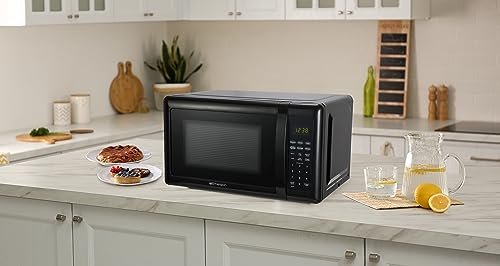
Best Microwaves for Professional Kitchens microwave Safety Kitchen Tips How to Choose the Microwave Kitchen Pro Supply 2 Nov –> read When setting up or upgrading a professional kitchen, choosing the right commercial microwave is more than just picking a brand name. These appliances play a critical role in boosting productivity, consistency, and food quality – especially in fast-paced environments like restaurants, cafes, and catering services. A well-chosen microwave saves time during busy service hours, stands up to daily use, and makes routine tasks like reheating, defrosting, or quick cooking easier and more efficient. 1. Consider Capacity and Size Capacity and dimensions are among the first things to check before buying. Internal Capacity: Commercial microwave capacities are typically measured in cubic feet or litres. Larger volumes let you heat bigger plates, trays, or multiple items at once — essential in high-volume kitchens. Small units (around 0.6–0.8 cu ft) can work for break rooms or light use, while larger models (1.2 cu ft and up) suit busy foodservice environments Footprint & Placement: Measure your available counter or shelf space carefully. Remember to allow enough clearance for door opening and ventilation. A microwave that fits awkwardly into your kitchen layout can slow down workflow or create hazards. Usage Level: Assess how often the microwave will be used — light use (e.g., occasional reheating) might justify a smaller model, while medium to heavy use (continuous service demands) needs higher capacity and more robust construction. Quick tip: Choose a microwave that matches your kitchen’s workload and available space. Look for durable stainless steel construction, simple controls for fast operation, and enough capacity to handle your most common dishes. 2. Controls & Ease of Use Dial vs. Digital Controls: Dial Controls – Simple and rugged, these are easy for staff to use with minimal training. They’re ideal for basic reheating tasks. Digital / Push-Button Controls – These offer precise timing and power adjustments, and many models support programmable presets for frequently used functions. Preset Programs & Power Levels:Microwaves that allow programming of multiple menus or cooking sequences can speed up operations and improve consistency — especially when different food items require specific power settings. Display & Feedback: Clear digital displays help staff monitor remaining cook time and make quick adjustments, reducing mistakes and boosting productivity. Even a simple countdown timer can make work smoother. 3. Cleaning & Maintenance Keeping your microwave clean isn’t just about appearance — it directly affects food quality, hygiene, and appliance lifespan. Easy-to-Clean Surfaces: Commercial microwaves with smooth stainless steel surfaces and removable trays or splatter guards make wiping down fast and effective. This is especially important in kitchens that handle sauces, grease, and frequent reheating. Maintenance Access: Choose microwaves that offer removable parts or panels that can be taken off during deeper cleanings. A unit that’s simple to maintain reduces downtime and prevents performance issues over time. Routine Care Tips: Wipe down interiors after heavy use, check ventilation filters regularly, and follow the manufacturer’s manual for recommended maintenance schedules. Regular cleaning reduces buildup that can lead to odors or uneven heating. 4. Safety & Build Quality In a professional kitchen, safety and durability are non-negotiable. Commercial microwaves are specifically engineered to meet the demands of frequent use in high-traffic settings-and they often carry certifications or standards that ensure they’re fit for foodservice applications. Build Materials: Look for units with stainless steel interiors and exteriors. This material is tough enough to resist dents, corrosion, and daily wear from heavy use. Stainless steel is also easier to sanitize — a major consideration in regulated food environments. Safety Features: Good commercial microwaves include reliable door interlocks, automatic shut-off systems, and ventilation to prevent overheating. These features help protect staff and reduce the risk of accidents or fire hazards. Always check that the model complies with relevant safety and sanitation standards before purchasing. Conclusion Selecting the perfect commercial microwave involves balancing safety, durability, ease of use, and size against the daily demands of your professional kitchen. By prioritizing robust build quality, intuitive controls, and appropriate capacity, you ensure that your microwave not only performs reliably but also improves efficiency during peak service times.Take time to evaluate how each feature aligns with your kitchen’s workflow – whether you’re running a bustling restaurant, a busy café, or a food prep station. The right microwave becomes a trusted workhorse, saving time and delivering consistent results shift after shift. Share Save Tags: Microwave Comments (0) Post Looking for a best microwave? Browse curated, professional-tested sets at Kitchen Pro Supply. Shop Microwave Subscribe Get weekly kitchen tips and deals. Subscribe Related Posts Cook pancakes, burgers, and more evenly and fast. Make crispy sandwiches and wraps quickly! Toast, bake, and reheat with ease. Share this article Twitter Facebook Copy Close
Best Air Fryer Guide : Upgrade Your Kitchen Game
Blog

Best Air Fryer Guide : Upgrade Your Kitchen Game

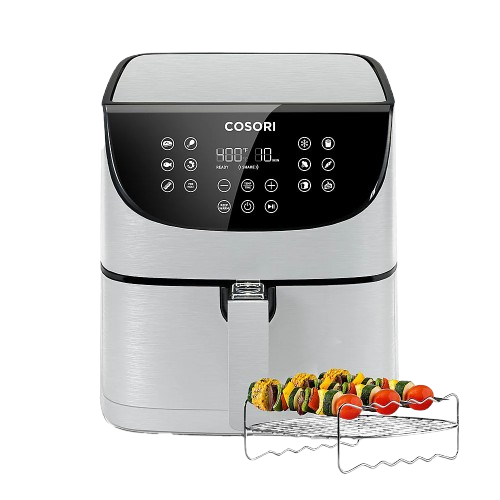
Best Air Gryer Guide Air Fryer Oil-less Fryer Kitchen Tips How to Choose the Perfect Air Fryer Kitchen Pro Supply 1 Nov-> read Why Every Kitchen Needs an Air Fryer Air fryers use rapid hot air circulation to cook food quickly and evenly — giving you that golden, crunchy texture without deep-frying in oil. This means healthier meals, less mess, and faster cooking times than a conventional oven. From crispy fries and chicken wings to roasted veggies and even desserts, air fryers are versatile kitchen workhorses. 1. Consider Capacity and Size When selecting an air fryer, the first thing to think about is how much food you’ll be cooking and the space available in your kitchen. Small models, usually around 2–3 quarts, are perfect for singles or couples, while medium options (4–6 quarts) suit families of three to four. Large air fryers, with 7 quarts or more, are ideal for meal prepping or cooking for a crowd. Dual-basket models let you cook two different foods at once, saving time and effort. Also, don’t forget to account for counter space Quick tip: Small (2–3 qt) for 1–2 people, Medium (4–6 qt) for families, Large (7+ qt) for meal prepping or entertaining. 2. Controls & Ease of Use Air fryers range from simple dial controls to advanced digital panels: Basic dials: Easy and straightforward. Digital displays & presets: Great for beginners — preset modes simplify cooking times for popular foods like fries or chicken. Smart features: Some models even sync with apps for remote control. 3. Cleaning & Maintenance Keeping your air fryer clean is essential for both hygiene and long-lasting performance. Look for non-stick baskets and trays that release food easily, and check whether the parts are dishwasher safe to save time. Models with removable components reduce nooks and crannies where grease can accumulate, making daily cleanup much simpler. Proper maintenance ensures your air fryer continues to cook evenly and efficiently over time. 4. Safety & Build Quality Safety is a key consideration when investing in an air fryer. Look for features like cool-touch exteriors, automatic shut-off, and overheat protection to prevent accidents. A sturdy, well-built model with trusted safety certifications will last longer and give you peace of mind. Checking the brand’s reputation and warranty options also helps ensure that you’re choosing a reliable appliance that won’t disappoint. Conclusion The right air fryer can elevate your everyday meals – saving you time, reducing oil, and expanding your culinary options. Start by considering capacity, power, controls, and ease of cleaning. Balance features with your budget and kitchen space to find an appliance you’ll love using every day. Share Save Tags: Air Fryer Comments (0) Post Looking for a best air fryer? Browse curated, professional-tested sets at Kitchen Pro Supply. Shop Air Fryer Subscribe Get weekly kitchen tips and deals. Subscribe Related Posts Turn everyday meals into crispy favorites. Perfect for fruits, veggies, herbs, and snacks! Non-stick frying pan for effortless cooking & easy cleaning. Share this article Twitter Facebook Copy Close

How to Choose a best Knife Set
Blog

How to Choose a best Knife Set

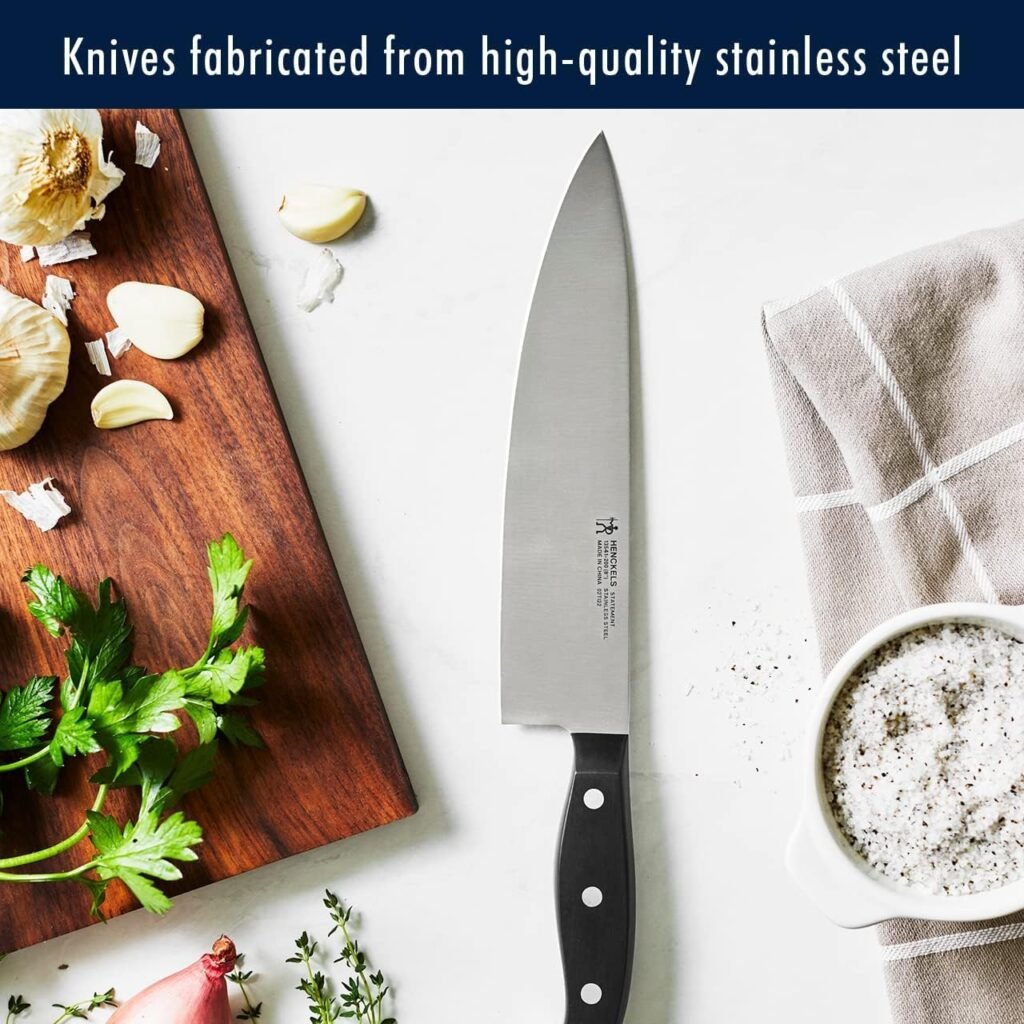
How to Choose the best Knife Set Buying Guide Cutlery Kitchen Tips How to Choose the Perfect Knife Set Kitchen Pro Supply 1 Dec –> read Choosing a knife set feels like picking a new best friend for your kitchen — it should fit your hands, your cooking style, and your budget. In this guide we’ll walk you through the most important factors: blade steel, handle comfort, what pieces you actually need, and maintenance tips so your knives last a lifetime. 1. What steel is best? Knife steel affects edge retention, corrosion resistance, and ease of sharpening. High-carbon stainless steels offer a great balance: they keep an edge well while resisting rust. If you cook a lot of acidic foods, prefer stainless variants or apply more diligent care. Quick tip: A 60–62 HRC hardness is common for home-use stainless knives — it balances toughness and edge retention. 2. Which knives do you actually need? Instead of buying a 20-piece set, prioritize quality over quantity. A simple, effective set contains: 8″ chef’s knife Paring knife Utility knife Serrated bread knife 3. Handle comfort and balance Try holding the knife if you can. Look for a balance point near the bolster so the blade feels like an extension of your arm. Wooden handles are warm and grippy; synthetic handles are low-maintenance. 4. Care and maintenance Hand wash your knives, dry them immediately, and store them on a magnetic strip or block. Sharpening is part of ownership — hone often and sharpen less frequently. Conclusion Pick a reputable brand, choose steel and handle materials that match your cooking style, and invest in basic maintenance tools — a honing rod and a good sharpener. Happy cooking! Share Save Tags: Knife Sets Comments (0) Post Looking for a knife set? Browse curated, professional-tested sets at Kitchen Pro Supply. Shop Knife Sets Subscribe Get weekly kitchen tips and deals. Subscribe Related Posts kitchen cleavers for chopping, slicing, and butchering. Oct 10 Best How to Sharpen Knives Like a Pro Sep 12 Best Cutting Boards for Every Kitchen Sep 1 Share this article Twitter Facebook Copy Close

Scroll to Top